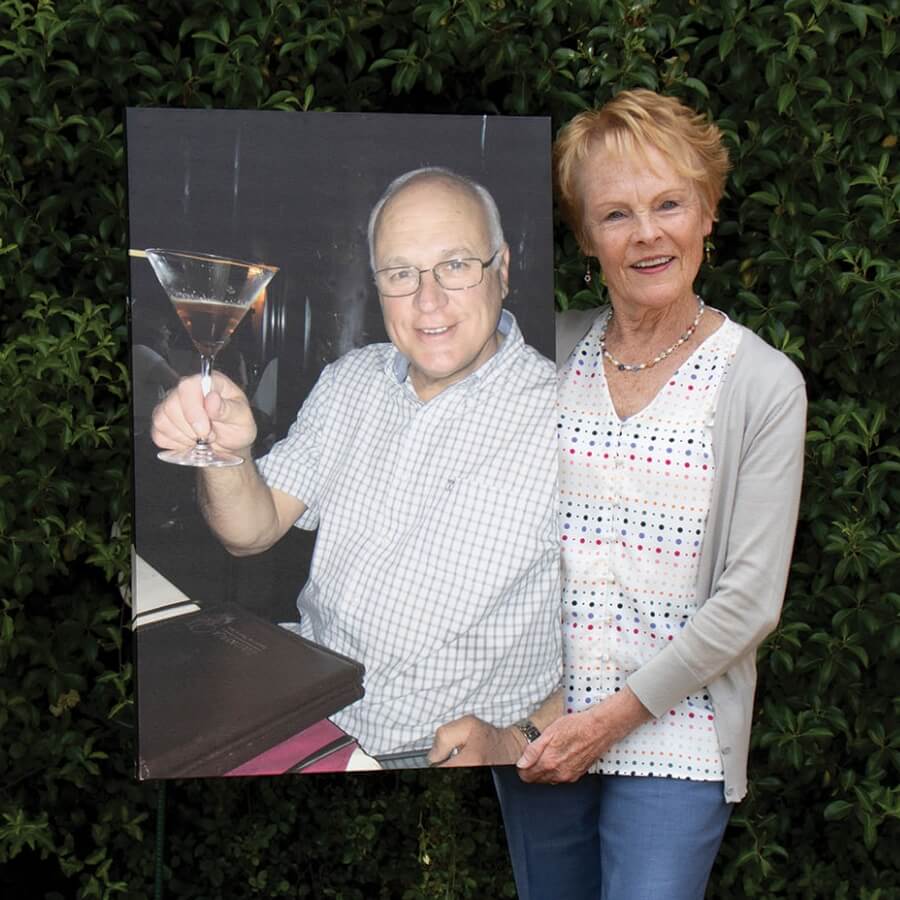
Carol Rische and Sue MacConnie’s legacy gift reflects their belief that investing in health care benefits all
Carol Rische never expected a house fire to shape her understanding of community health care. But that’s exactly what happened when she and her late partner, Sue MacConnie, moved to rural Northern California over 30 years ago. When their home caught fire just months after relocating, the volunteer fire department’s swift response opened Carol’s eyes to the essential role community services play in smaller towns.
“When you live in these small rural areas, you need certain local entities to serve the broader community,” Carol reflects.
That perspective became deeply personal when the couple faced cancer’s devastating impact. Carol’s mother received excellent breast cancer care from Mary Mahoney, M.D., and later, when Sue was diagnosed with stage 4 lung cancer at age 63, they experienced firsthand the quality of care available locally. While they chose Stanford for primary oncology due to specialized expertise, nearly all of Sue’s scans, biopsies, chemotherapy and infusions happened at Providence St. Joseph Hospital.
“The medical assistant staff, the nursing staff and the chemo infusion staff are absolutely angels,” Carol says.
After Sue’s diagnosis, the couple revised their estate plan to include the hospital’s cancer program. Their planned gift reflects a philosophy Carol learned early: “Many people who give a little bit add up to do some good.”
The planned gift represents Carol and Sue’s belief that “giving matters,” and that collective community investment in essential services creates capacity for everyone. Having witnessed the hospital’s fundraising efforts for state-of-the-art radiation equipment for patients throughout the region, she understands how philanthropic support translates into life-saving care.
Carol believes deeply in supporting the community infrastructure that serves everyone. “Health care is one of the most important things in any community,” she says. “We collectively need to support it and make it work.”
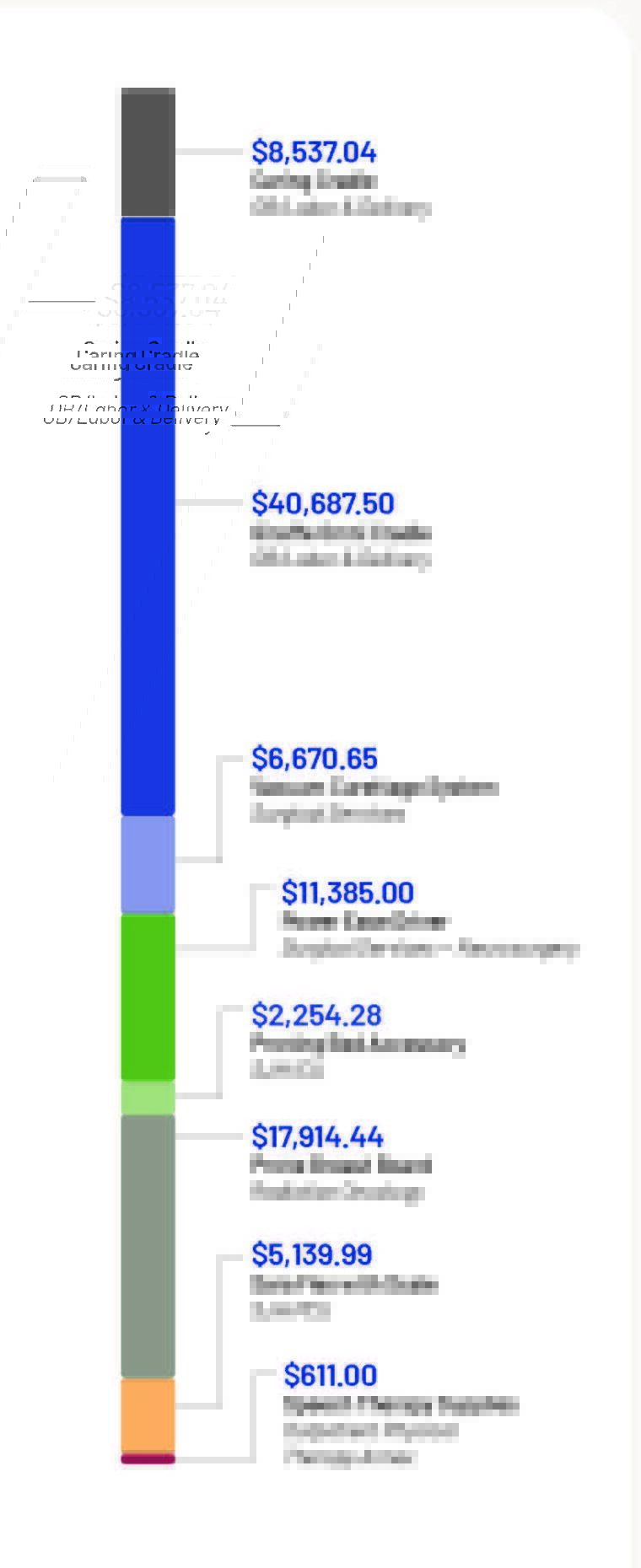
Providence St. Joseph Hospital Foundation's 2026 gala, Destination Humboldt: Starlight by the Sea, raised nearly $235,000 to support innovative specialty...
















Share